The Grid Could Never
When the power failed, solar kept newborns breathing—and the lesson reaches all the way to Pine Ridge.
In a story published by UNICEF on March 26, 2026, newborn twins at a hospital in Timbuktu, Mali, were struggling to breathe.
Abdoulaye and Oumou were only two days old when they arrived with severe pneumonia and respiratory distress. They needed oxygen immediately—but their mother, Toula, had another terrifying reason to be afraid.
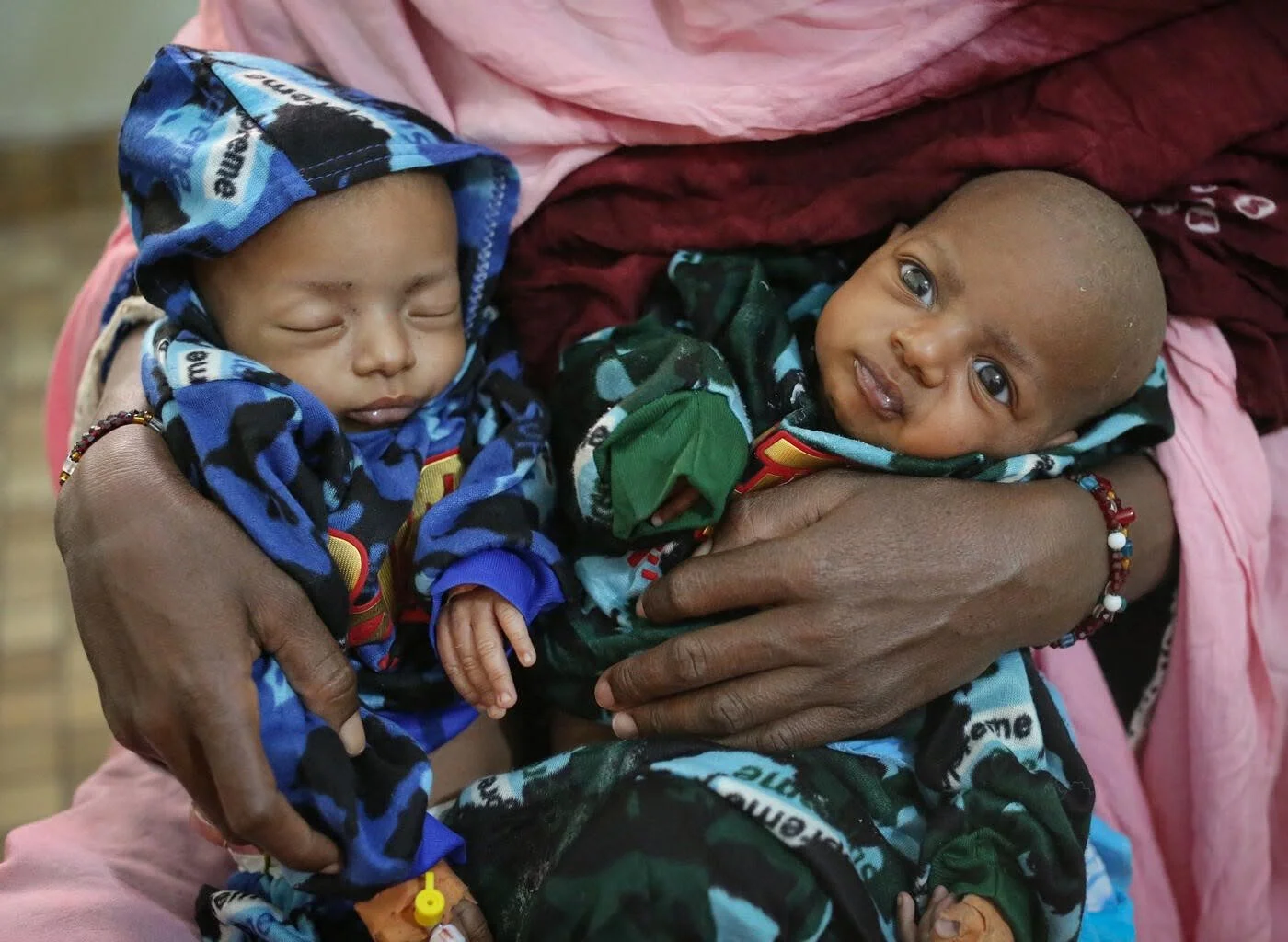
Twin Abdoulaye and Oumou.
The hospital’s electricity could disappear without warning.
For years, power outages had forced healthcare workers at Timbuktu Hospital to care for mothers and babies in the dark. One midwife reportedly strapped a phone to her forehead so she could use its light while assisting a woman in labor. Generators were expensive, unreliable and unable to power the entire hospital.
Then solar entered the chat.
With support from UNICEF, the hospital installed solar panels and battery storage to supply continuous electricity to its maternity, pediatric and neonatal units.
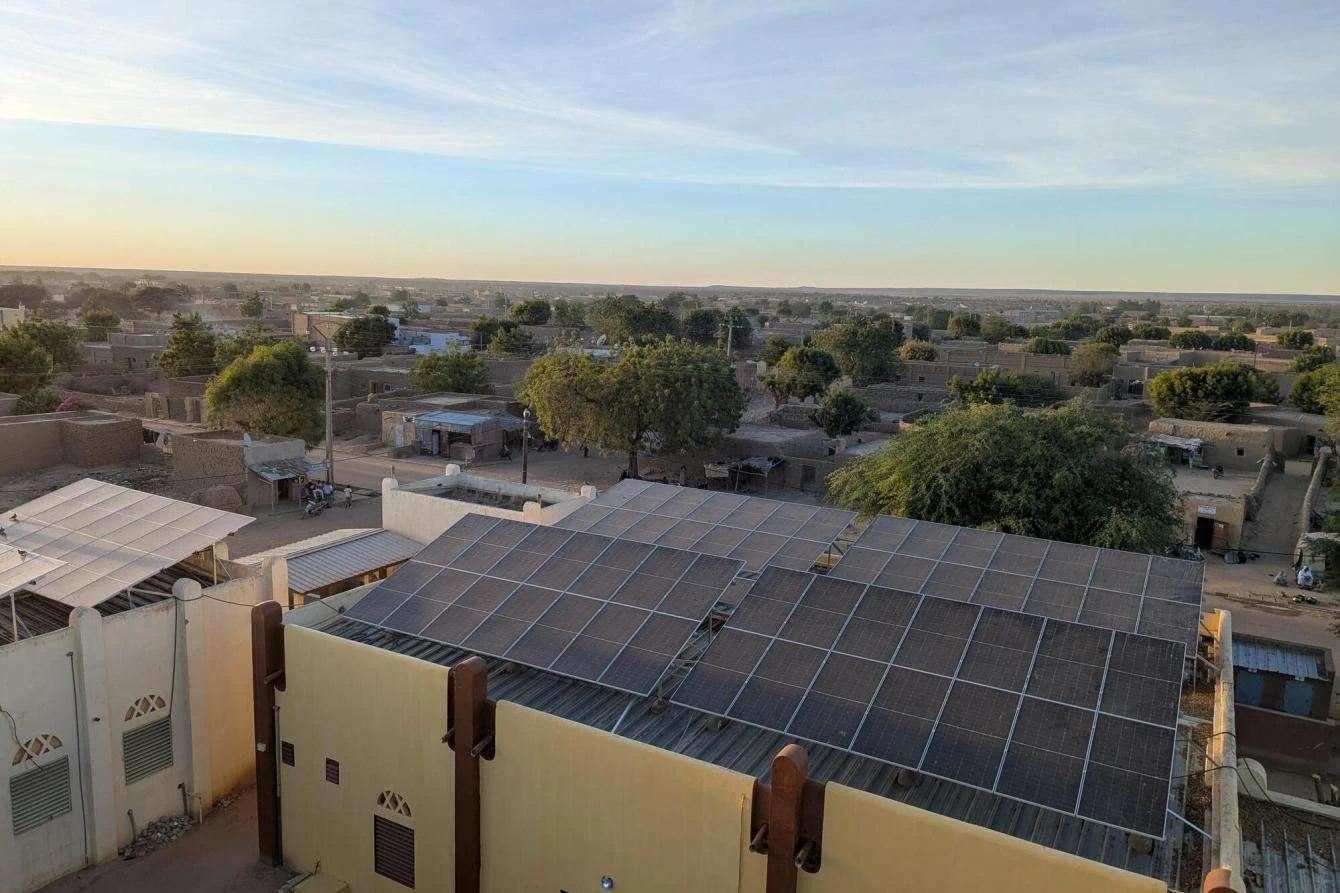
Niafounké Hospital in Timbuktu, Mali.
When Abdoulaye and Oumou needed oxygen, the power stayed on.
The machines did not stop.
Their mother watched her babies begin breathing normally—powered by energy from the sun.
What Does This Have to Do With Pine Ridge?
More than you might think.
On July 27, 2026, lightning struck a substation and knocked out electricity to an estimated 788 customers in the Pine Ridge area. Power was restored several hours later, although repairs and intermittent outages continued into the following day.
This outage was temporary. But on Pine Ridge, extreme heat, violent thunderstorms and winter blizzards can damage infrastructure, close roads and leave families isolated.
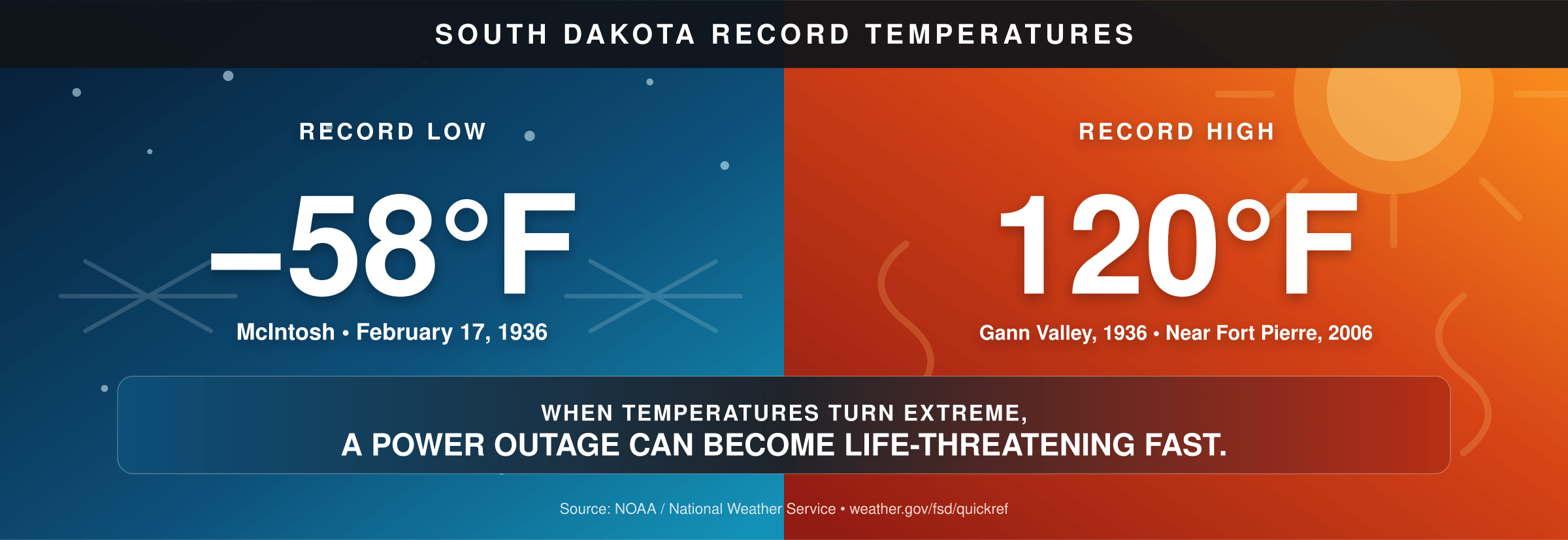
For most people, an outage means darkness, spoiled food and dangerous temperatures.
For someone relying on an oxygen concentrator, refrigerated medication or another powered medical device, it can become life-threatening.
Solar panels by themselves do not necessarily keep a home running during an outage. Most standard grid-connected systems shut down for safety when the larger grid fails. But when solar is combined with properly designed battery storage and backup equipment, it can keep essential devices powered when grid power becomes unavailable.
That is the future stories like Timbuktu allow us to imagine for Pine Ridge.
This Is Bigger Than an Electric Bill
Red Cloud Renewable installs solar at no cost to Native families because clean energy should not be limited to those who can afford it.
Every installation can lower a family’s energy burden and leave more money available for food, transportation, medicine and other necessities. It also brings power generation closer to the people using it.
But energy sovereignty is bigger than saving money.
It means Native communities building the knowledge, workforce and infrastructure needed to have greater control over their own energy future. It means developing systems around the needs of our families—not asking our families to remain completely dependent on systems controlled somewhere else.
In Timbuktu, solar is helping healthcare workers deliver babies safely and keep oxygen flowing to newborns.
Here on Pine Ridge, the circumstances are different—but the lesson is the same:
Reliable energy protects people.
Affordable energy strengthens families.
Locally generated energy strengthens communities.
The grid has its limits.
Our vision does not.
Sources
UNICEF Mali:“At Timbuktu Hospital, the Sun Now Illuminates Rooftops and the Future”, March 26, 2026.
KCSR/KBPY:“Power Restored to Pine Ridge After Outage Caused by Lightning”, July 29, 2026.
Centers for Disease Control and Prevention:“Power Sources”, April 18, 2024.